
What Is Shiv Ling? Meaning, Symbolism, History & Spiritual Significance. Discover what Shiv Ling (Shivling) is, its spiritual meaning, history, symbolism, and importance in Hinduism. Learn why millions of devotees worship the Shivling and the rituals associated with it.
What Is Shiv Ling? Understanding the Sacred Symbol of Lord Shiva
The Shiv Ling, also known as Shivling or Shiva Lingam, is one of the most sacred symbols in Hinduism. Found in temples, homes, caves, and pilgrimage sites across India and beyond, the Shivling represents Lord Shiva, one of the principal deities of the Hindu Trinity (Trimurti).
Despite its immense religious importance, many people often wonder: What exactly is a Shiv Ling? Why is it worshipped? What does it symbolize?
This article explores the meaning, history, symbolism, and spiritual significance of the Shivling in simple language, helping you understand why it holds such a special place in Hindu traditions.
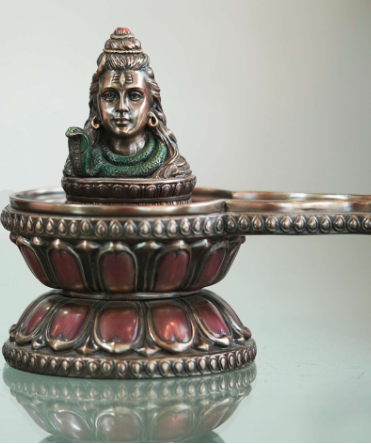
CLICK HERE TO SARCH TRENDING SHIV LING>>>>>
What Is a Shiv Ling?
The word “Ling” comes from the Sanskrit word “Linga,” which means symbol, sign, or mark. Therefore, the Shiv Ling is not merely an object of worship but a sacred symbol representing the infinite and formless nature of Lord Shiva.
Unlike idols that depict human features, the Shivling reminds devotees that the Divine is beyond physical appearance. It symbolizes the eternal, limitless, and universal presence of Shiva.
Millions of Hindus worship the Shivling daily to seek blessings for peace, wisdom, prosperity, health, and spiritual growth.
The Spiritual Meaning of Shiv Ling
The Shivling carries deep philosophical meaning. It represents:
- Infinity and eternity
- Divine energy
- Creation, preservation, and transformation
- The union of Shiva and Shakti
- The balance between masculine and feminine energies
- The cosmic source from which all life emerges
In Hindu philosophy, Lord Shiva is considered the Supreme Consciousness, while Shakti represents divine creative energy. Together, they symbolize the harmony that sustains the universe.
This profound symbolism is why the Shivling is revered as a representation of the ultimate reality rather than a conventional idol.
Why Is the Shiv Ling Worshipped?
Devotees worship the Shivling for various spiritual and personal reasons.
Some seek:
- Inner peace
- Protection from negative energies
- Mental clarity
- Good health
- Success in life
- Prosperity
- Spiritual enlightenment
According to Hindu beliefs, sincere prayers offered to Lord Shiva with devotion can help remove obstacles and inspire strength during life’s challenges.
The Shivling also reminds worshippers to cultivate humility, self-discipline, compassion, and detachment from ego.
The Story Behind the Shiv Ling
One of the most well-known legends comes from the Shiva Purana.
According to the story, Lord Brahma and Lord Vishnu once argued over who was superior. Suddenly, an endless pillar of divine light appeared before them. Neither Brahma nor Vishnu could find its beginning or end despite searching in opposite directions.
This infinite pillar was Lord Shiva himself.
The endless column of light later came to be represented by the Shivling, symbolizing that the Divine has no beginning, no end, and exists beyond human understanding.
The story teaches that ultimate truth cannot be measured by ego or intellect but can only be experienced through devotion and spiritual realization.
Structure of a Shiv Ling
A traditional Shivling generally consists of two main parts.
The Lingam
The upright cylindrical structure symbolizes Lord Shiva and infinite consciousness.
The Yoni Base
The circular base beneath the Lingam represents Goddess Shakti, the divine feminine energy.
Together, they symbolize the inseparable relationship between consciousness and creative energy, highlighting the balance that sustains existence.
Types of Shiv Ling
There are several types of Shivlings worshipped across India.
1. Stone Shivling
Usually carved from black stone or granite and commonly found in temples.
2. Parad Shivling
Made from purified mercury according to traditional methods and believed by many devotees to hold special spiritual significance.
3. Crystal Shivling (Sphatik Lingam)
Made from natural crystal and often associated with purity, meditation, and positive energy.
4. Narmadeshwar Shivling
Naturally formed stones collected from the sacred Narmada River. These are highly revered because they occur naturally rather than being carved.
5. Metal Shivling
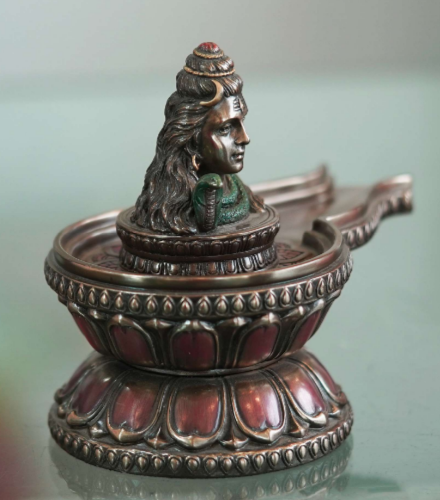
Crafted from brass, silver, copper, or gold and commonly used for worship at home.
You can find products on indiamart.com
How Is Shiv Ling Worshipped?
Daily worship of the Shivling is known as Abhishekam or Abhishek.
Common offerings include:
- Water
- Milk
- Honey
- Yogurt
- Ghee
- Sugar
- Bilva (Bel) leaves
- White flowers
- Sandalwood paste
- Fruits
Devotees often chant powerful mantras such as:
“Om Namah Shivaya”
This sacred mantra is believed to promote inner peace, devotion, and spiritual awareness.
Importance of Shiv Ling During Mahashivratri
Mahashivratri is one of the most significant festivals dedicated to Lord Shiva.
On this auspicious occasion, devotees:
- Observe fasting
- Offer milk and water to the Shivling
- Chant Shiva mantras
- Meditate throughout the night
- Visit Shiva temples
Many believe that worshipping the Shivling on Mahashivratri brings spiritual blessings, purification, and divine grace.
Scientific and Philosophical Perspective
Many scholars view the Shivling as a symbolic representation of the universe rather than merely a religious object.
Its smooth elliptical form has been interpreted as representing:
- Infinite space
- Cosmic energy
- The origin of creation
- The unity of matter and consciousness
Whether viewed spiritually or philosophically, the Shivling encourages contemplation about the nature of existence and humanity’s connection with the universe.
Common Misconceptions About Shiv Ling
Over the years, misconceptions have arisen regarding the Shivling’s symbolism.
In Hindu philosophy, the Shivling is primarily understood as a sacred symbol of the infinite, formless Divine. It represents cosmic consciousness, creation, and the unity of Shiva and Shakti. While scholars have discussed various symbolic interpretations over time, devotees generally revere the Shivling as an expression of the Supreme Being rather than viewing it through a narrow or literal lens.
Understanding its broader spiritual context helps appreciate its significance in Hindu worship and philosophy.
Benefits of Worshipping Shiv Ling
Devotees believe that regular worship of the Shivling can help cultivate:
- Inner calm
- Positive thinking
- Emotional stability
- Spiritual discipline
- Stronger faith
- Mental focus
- Compassion and humility
While these are matters of personal faith, many worshippers describe prayer and meditation before the Shivling as a source of comfort, hope, and self-reflection.
Shiv Ling in Homes
Many families keep a small Shivling in their home temple for daily prayers.
Simple worship may include:
- Offering clean water
- Lighting a lamp
- Chanting “Om Namah Shivaya”
- Offering Bilva leaves or flowers
- Spending a few moments in silent meditation
The emphasis is on sincerity and devotion rather than elaborate rituals.
Conclusion
The Shiv Ling is far more than a sacred object—it is a profound symbol of eternity, divine consciousness, and the timeless presence of Lord Shiva. For millions of devotees, it serves as a reminder that the Divine transcends form and can be approached through faith, meditation, and selfless devotion.
Whether you encounter a Shivling in a grand temple or a small home shrine, its message remains the same: seek inner peace, embrace balance, and recognize the unity that connects all of creation.
Understanding the spiritual meaning of the Shivling allows us to appreciate one of Hinduism’s most enduring and revered symbols with greater respect and insight.
Frequently Asked Questions (FAQs)
Is Shiv Ling the same as Lord Shiva?
The Shivling is a sacred symbol representing Lord Shiva’s infinite and formless nature. It is worshipped as an embodiment of Shiva’s divine presence.
Why is milk offered to the Shiv Ling?
Offering milk is a traditional act of devotion during Abhishekam. Practices and interpretations vary across regions and traditions, but devotees generally see it as an expression of reverence and prayer.
Can we keep a Shiv Ling at home?
Yes, many families keep a small Shivling at home and perform simple daily worship with devotion. Customs may vary, so some people also follow guidance from their family or local tradition.
Which mantra is chanted while worshipping Shiv Ling?
The most widely chanted mantra is:
Om Namah Shivaya
It is one of the most revered mantras dedicated to Lord Shiva.
What does the Shiv Ling symbolize?
The Shivling symbolizes the infinite, formless nature of Lord Shiva, the union of Shiva and Shakti, and the eternal cycle of creation, preservation, and transformation.